Business
Hydroponic Fertilizers: Nourishing Plants in Soilless Gardens
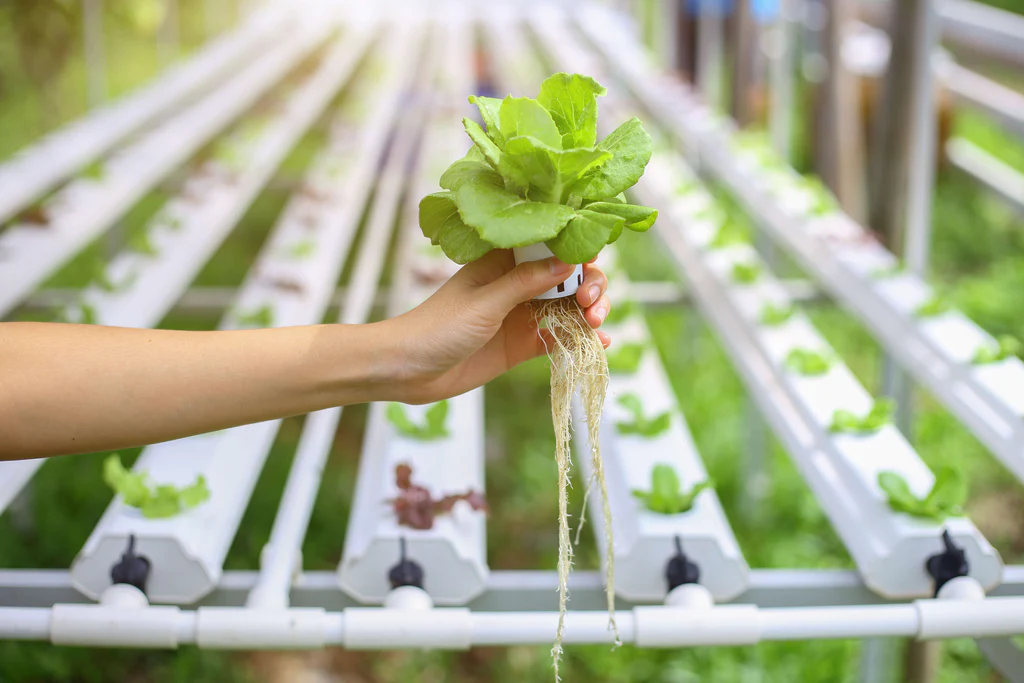
Hydroponic gardening has gained popularity for its efficiency and the ability to grow crops in controlled environments. Central to the success of hydroponic systems are the specialized hydroponic fertilizers that provide essential nutrients to plants. In this 800-word blog post, we’ll explore the world of hydroponic fertilizers, understanding what they are, how they work, and why they are indispensable for thriving soilless gardens. For more information regarding hydroponic plant one can visit our site https://hydroponicglobal.com.au/.
What Are Hydroponic Fertilizers?
Hydroponic fertilizers, also known as hydroponic nutrients or solutions, are specially formulated mixtures of essential nutrients that plants need for growth. Unlike traditional soil-based gardening, where nutrients are derived from the soil, hydroponic systems rely on these nutrient solutions to provide plants with everything they require for healthy development.
Key Nutrients in Hydroponic Fertilizers
Hydroponic fertilizers provide plants with a precise balance of essential nutrients required for optimal growth. These nutrients can be categorized into three primary groups:
1. Macronutrients: These are the nutrients that plants need in relatively large quantities:
– Nitrogen (N): Essential for leaf and stem development and overall plant growth.
– Phosphorus (P): Promotes root development, flowering, and fruiting.
– Potassium (K): Supports overall plant health, including disease resistance.
2. Secondary Nutrients: These are nutrients needed in moderate amounts:
– Calcium (Ca): Necessary for cell wall structure and strength.
– Magnesium (Mg): A central component of chlorophyll, essential for photosynthesis.
– Sulfur (S): Required for amino acid and protein synthesis.
3. Micronutrients: These are essential nutrients required in trace amounts:
– Iron (Fe): Critical for chlorophyll production and photosynthesis.
– Manganese (Mn): Involved in enzyme activation and photosynthesis.
– Zinc (Zn): Essential for enzyme function.
– Copper (Cu): Facilitates root development and photosynthesis.
– Boron (B): Aids in nutrient uptake and cell division.
– Molybdenum (Mo): Necessary for nitrogen metabolism in plants.
Why Are Hydroponic Fertilizers Important?
Hydroponic fertilizers are essential for several reasons:
1. Precision Nutrition: Hydroponic systems rely on a precisely balanced nutrient solution to deliver essential elements directly to plant roots. This precision nutrition promotes faster, healthier plant growth.
2. Soilless Gardening: In hydroponic gardening, plants grow without soil. As a result, they cannot extract nutrients from the ground, making hydroponic fertilizers the primary source of nutrition.
3. Controlled Environments: Hydroponic systems often operate in controlled environments, allowing growers to optimize nutrient delivery, temperature, humidity, and light to maximize plant productivity.
4. Reduced Resource Use: Hydroponics typically use less water and nutrients than traditional soil-based agriculture, making it a more resource-efficient method of cultivation.
Types of Hydroponic Fertilizers
Several types of hydroponic fertilizers are available, each with its own characteristics and applications:
1. Liquid Hydroponic Nutrients: These are pre-mixed nutrient solutions, ready to use. They come in various formulations for different growth stages, making them convenient for beginners.
2. Powdered Hydroponic Nutrients: These are dry, powdered fertilizers that require mixing with water before use. They are often chosen for their longer shelf life and cost-effectiveness.
3. Specialty Nutrients: Some hydroponic systems may require specialized nutrient formulations. For example, hydroponic nutrients for lettuce may differ from those used for tomatoes.
4. Organic Hydroponic Nutrients: Organic hydroponic systems use natural sources of nutrients, such as compost tea or fish emulsion, to provide plant nutrition while adhering to organic farming principles.
Maintaining Proper Nutrient Balance
To ensure success in hydroponic gardening, maintaining the right nutrient balance is crucial. Overfeeding or underfeeding plants can lead to nutrient imbalances, which can harm plant health and reduce yields. Here are some tips for maintaining the proper nutrient balance:
1. Regular Monitoring: Regularly monitor nutrient levels and pH in your hydroponic system. pH levels should typically be maintained within the range of 5.5 to 6.5 for most plants.
2. Adjusting Nutrient Concentrations: Depending on the growth stage of your plants and environmental conditions, you may need to adjust the nutrient concentration in your solution. Follow manufacturer guidelines or seek advice from experienced hydroponic growers.
3. Nutrient Solution Changes: Periodically replace the nutrient solution to prevent the accumulation of excess salts and maintain nutrient balance.
4. Troubleshooting: If you notice nutrient deficiencies or excesses in your plants (e.g., yellowing leaves or nutrient burn), take corrective action promptly by adjusting nutrient levels or pH.
Conclusion
Hydroponic fertilizers are the lifeblood of soilless gardening. They provide plants with the precise nutrients they need for healthy growth, making hydroponic systems a powerful and efficient way to cultivate a wide variety of crops. Understanding the role of essential nutrients, maintaining the right balance, and closely monitoring your hydroponic system are key to successful hydroponic cultivation. With the right care and attention, hydroponic gardening can yield robust, fast-growing plants that are not only healthy but also visually stunning.