From Sunlight to Savings: How Solar Panels Can Cut Your Energy Costs
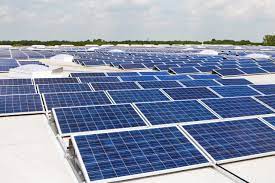
In an era where energy costs are on the rise, and environmental concerns are at the forefront, the search for sustainable and cost-effective solutions is more critical than ever. Solar panels, harnessing the power of the sun, have emerged as a game-changer for homeowners and businesses alike. With the advancement in solar technology, solar panels brisbane are now more efficient and affordable than ever before. In this article, we explore how solar panels can not only generate clean energy but also significantly cut your energy costs, providing a win-win solution for your pocket and the planet.
Understanding Solar Panels: Turning Sunlight into Electricity
At the heart of solar power lies photovoltaic technology, the science behind solar panels. These panels are composed of solar cells made from semiconductor materials like silicon. When sunlight strikes these cells, it releases electrons, generating an electric current.
This direct conversion of sunlight into electricity allows solar panels to generate clean and renewable energy without producing harmful emissions. The electricity generated can be used to power your home or business, reducing your reliance on traditional energy sources and slashing your energy bills.
The Financial Benefits of Solar Panels: Savings That Add Up
One of the most significant advantages of installing solar panels is the potential for long-term cost savings. Once installed, solar panels can significantly reduce or even eliminate your electricity bills, depending on the size of the solar system and your energy consumption.
By generating your electricity, you become less reliant on energy provided by utility companies, whose rates tend to fluctuate over time. Solar power provides price stability, shielding you from rising energy costs and potentially saving you thousands of dollars over the lifespan of your solar panels.
Net Metering: Earning Credits for Excess Energy
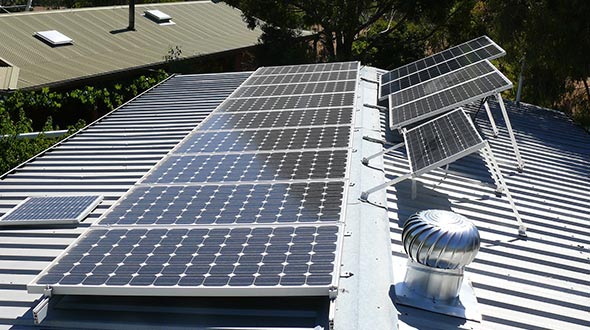
Net metering is a critical incentive offered by many utilities for solar panel owners. This program allows you to earn credits for any excess electricity your solar panels produce and send back to the grid.
During times when your solar panels generate more electricity than you need, the surplus energy is fed into the grid, effectively spinning your electricity meter backward. This means you receive credits that offset future electricity consumption, further reducing your energy costs.
Tax Incentives and Rebates: Boosting Affordability
Governments and local authorities often provide financial incentives to encourage the adoption of solar energy. These incentives come in the form of tax credits, rebates, and other financial benefits.
For instance, the federal Investment Tax Credit (ITC) in the United States offers a substantial credit on your income taxes for a percentage of the cost of installing solar panels. Local incentives and rebates further enhance the financial appeal of going solar, making the initial investment more affordable.
Increasing Home Value: A Wise Investment
Beyond immediate savings on energy costs, installing solar panels can increase the value of your home. Studies have shown that homes with solar panels tend to sell faster and at higher prices compared to similar homes without solar installations.
Potential homebuyers are attracted to the idea of lower energy bills and a reduced carbon footprint, making solar panels a valuable investment that adds to the overall appeal and market value of your property.
Environmental Impact: Reducing Your Carbon Footprint
Apart from financial benefits, adopting solar power contributes to a more sustainable future. By generating clean electricity from the sun, you help reduce greenhouse gas emissions and combat climate change.
Each kilowatt-hour of solar energy produced offsets the need for electricity generated from fossil fuels, leading to reduced carbon dioxide emissions and other harmful pollutants. Embracing solar panels is a tangible way to make a positive impact on the environment and protect the planet for future generations.
Leasing vs. Purchasing: Exploring Your Options
When considering solar panels, homeowners have the option to either purchase the solar system outright or lease it from a solar provider. Each option comes with its benefits and considerations.
Purchasing a solar system allows you to benefit from long-term savings and take advantage of tax incentives. On the other hand, leasing offers lower upfront costs and maintenance responsibilities, making it an attractive choice for those who want to go solar without a substantial initial investment.
Choosing the Right Solar Installer: Quality Matters
Selecting the right solar installer is essential to ensure your solar panels perform optimally and provide the maximum savings over their lifespan. Look for experienced and reputable installers who use high-quality equipment and offer comprehensive warranties.
A professional solar installation team can help you determine the ideal solar system size for your energy needs, advise on financing options, and guide you through the process of applying for incentives and rebates.
Conclusion: Embrace Solar Power for Savings and Sustainability
In conclusion, solar panels offer an enticing opportunity to cut your energy costs while making a positive impact on the environment. From reducing or eliminating your electricity bills to earning credits for excess energy, the financial benefits of solar panels are substantial and long-lasting.
By embracing solar power, you not only secure your financial future but also contribute to a more sustainable and cleaner world. Make the switch to solar energy today and unleash the power of the sun for both your savings and the well-being of our planet.
Leave a Reply