Recover and Renew with Water Damage Restoration
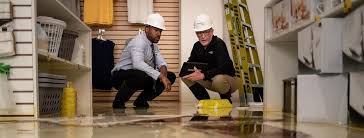
Water damage can be a homeowner’s worst nightmare. Whether it’s a burst pipe, a leaking roof, or a flood, the aftermath of water damage can be devastating. It not only damages your property but also poses health risks due to mold and mildew growth. If you need water damage restoration near me in Chicago, our services at this location are here to provide swift and professional assistance. In this comprehensive guide, we will delve into the world of water damage restoration, exploring the key steps to recovery and renewal. By the end of this article, you’ll have a clear understanding of how to tackle water damage effectively.
Understanding the Severity of Water Damage
Before diving into the restoration process, it’s crucial to understand the severity of the water damage you’re dealing with. Water damage is categorized into three main classes:
Minimal Damage
Class 1 water damage is the least severe and typically involves minimal absorption. It affects only a small area, such as a single room or part of a room. The restoration process for Class 1 damage is relatively straightforward and often involves drying out the affected area.
Moderate Damage
Class 2 water damage involves a larger area, with water absorption into structural materials like walls and flooring. This type of damage requires more extensive restoration efforts, including moisture extraction and dehumidification.
Severe Damage
Class 3 water damage is the most severe and typically occurs when water has saturated the ceilings, walls, and insulation. This requires intensive restoration, including structural repairs and mold remediation.

The Water Damage Restoration Process
Now that you’ve assessed the severity of the damage, let’s walk through the water damage restoration process step by step:
1. Assessment and Inspection
The first step is a thorough assessment of the affected area. Professionals will identify the source of the water damage, assess the extent of the damage, and determine the best course of action.
2. Water Extraction
Once the assessment is complete, the next step is water extraction. Powerful pumps and vacuums are used to remove standing water from your property. The sooner this is done, the less damage your property will incur.
3. Dehumidification
After water extraction, dehumidifiers are employed to reduce moisture levels in the affected area. This prevents mold and mildew growth, which can pose health hazards.
4. Structural Drying
Structural materials like walls and flooring may have absorbed water. Specialized equipment is used to ensure thorough drying to prevent structural damage and mold growth.
5. Mold Remediation
If mold is present, it must be addressed promptly. Professionals will safely remove and remediate mold-infested materials to ensure a safe and healthy environment.
6. Repairs and Restoration
Once the affected area is dry and free of mold, the restoration process begins. This may involve repairing or replacing damaged structural elements, flooring, and drywall.
7. Cleaning and Sanitization
Thorough cleaning and sanitization ensure that your property is safe for occupancy. This step also helps eliminate any lingering odors.
The CleanUP Guys
(773) 885-8528
Why Professional Help Matters
While some may attempt DIY water damage restoration, it’s highly recommended to seek professional assistance. Here’s why:
Expertise
Professionals have the knowledge and experience to handle water damage effectively. They can quickly assess the situation and take the necessary steps for a successful restoration.
Specialized Equipment
Water damage restoration requires specialized equipment like industrial-strength dehumidifiers and moisture meters. Professionals have access to these tools, ensuring a thorough job.
Preventing Secondary Damage
Professionals can identify potential issues that may lead to secondary damage, such as hidden moisture or compromised structural integrity. Their expertise can prevent further problems down the line.
Conclusion
In conclusion, water damage restoration is a complex process that requires careful assessment, prompt action, and professional expertise. By understanding the severity of the damage and following the proper restoration steps, you can recover and renew your property effectively. Remember that water damage is time-sensitive, so don’t hesitate to seek professional help when needed. With the right approach, you can leave the nightmare of water damage behind and enjoy a restored and safe living environment.
Leave a Reply